Beach & Underwater Detecting
Coastal environments offer high rewards but present unique technical challenges. Learn how to overcome wet salt sand and safeguard your gear.
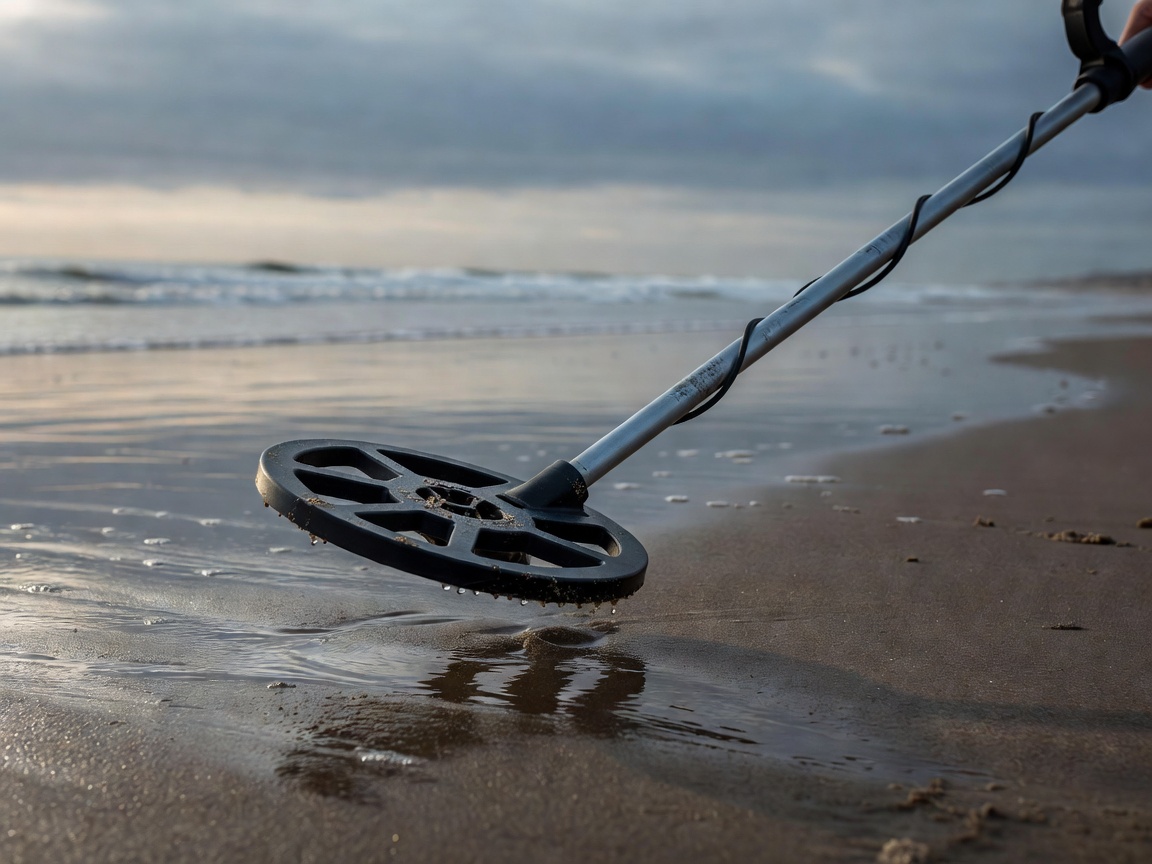
The Wet Salt Sand Challenge
Beaches are among the most lucrative locations for metal detecting due to the sheer volume of people who lose coins, watches, and jewelry. However, not all beach sand is created equal. The dry, white sand high up on the beach can be hunted with almost any basic VLF detector. The wet sand near the water line, however, is a different story.
Saltwater is highly conductive. When ocean water saturates the sand, it essentially creates a massive, faintly conductive target. A standard single-frequency VLF machine will interpret this wet salt as metal, resulting in constant false signals and a chaotic symphony of noise in your headphones. Turning down the sensitivity stops the noise but completely ruins the machine's detection depth.
Overcoming the Salt: Multi-Frequency and PI
To successfully hunt in the surf or wet sand, you need specialized technology. Simultaneous Multi-Frequency (SMF) detectors transmit several frequencies into the ground at once. The machine's processor analyzes the returns from all frequencies simultaneously, mathematically subtracting the signal generated by the salt while leaving the signal from metallic objects intact.
Alternatively, Pulse Induction (PI) machines bypass the salt issue entirely. They are entirely blind to saltwater conductivity, making them incredibly deep-seeking on the beach. However, as noted in our PI guide, you will sacrifice discrimination and dig plenty of bobby pins and bottle caps.
Waterproofing and Maintenance
Taking electronics near corrosive saltwater requires robust build quality. If you plan to detect in the surf, you must ensure your detector is fully submersible, typically denoted by an IP68 rating. Check the manufacturer specifications carefully; some machines have waterproof coils but rain-proof control boxes. Submerging a rain-proof box will destroy the machine instantly.
Post-hunt maintenance is non-negotiable for beach hunters. Saltwater dries and leaves behind corrosive salt crystals that will eat away at rubber O-rings, charging ports, and coil connectors. After every salt beach hunt, completely rinse your detector with fresh, lukewarm water. Pay special attention to the camlocks on the shaft, as sand can easily jam the telescoping mechanism.
Beach Recovery Tools
Digging in wet sand requires different tools than inland hunting. Standard trowels are useless in the surf, as the ocean will fill the hole faster than you can dig. A long-handled sand scoop made of stainless steel or durable aluminum is mandatory.
A good sand scoop allows you to step the blade deep into the sand, extract a large plug, and shake out the sand through the holes, leaving the heavy metallic target safely in the basket. Look for scoops with reinforced back plates to withstand the torque of prying heavy wet sand.
Reading the Beach
Success on the beach relies on reading the environment. Heavy targets like gold rings sink rapidly in the sand and are moved by tidal action. Look for "cuts"—areas where storm action has eroded a steep drop-off in the sand. These cuts act as natural sluice boxes, catching heavy items. Additionally, search near towel lines, volleyball courts, and concession stands where human activity is highest.
Mastering beach detecting requires patience and the right gear, but uncovering a gold ring from the wet sand makes the investment entirely worthwhile.